
Runner's Knee & ITB Pain: What Actually Fixes It
Rest makes the pain go away — until you start running again. Here's why runner's knee and ITB pain recur, and what actually resolves them long-term.
By Charlie Pearton · 6 May 2024
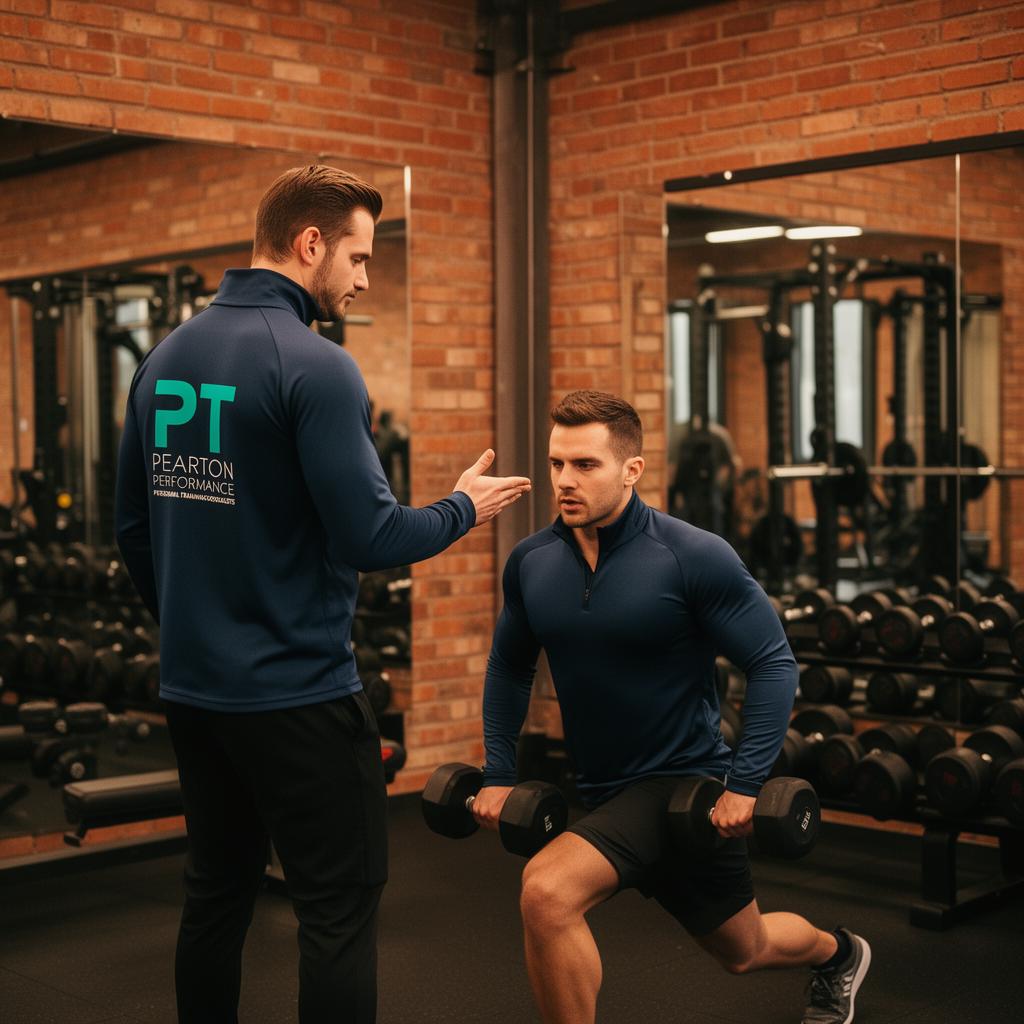
Why rest alone doesn't fix it
Runner's knee (patellofemoral pain) and ITB (iliotibial band) pain are two of the most common overuse injuries in running, and they follow a frustratingly familiar pattern: pain builds up, you rest, the pain goes away, you return to running, and within a few weeks it's back. This cycle repeats because rest addresses the symptom — irritated tissue — without addressing why that tissue got irritated in the first place.
In the vast majority of cases we see, the underlying issue isn't damage to the knee or the ITB itself. It's that the muscles responsible for controlling the hip and knee during single-leg loading — mainly the glutes and hip abductors — aren't strong or coordinated enough to do their job over the thousands of footstrikes in a run.
What's actually happening mechanically
When your hip and glute muscles are weak or fire late, your knee tends to drift inward slightly with every stride (sometimes called dynamic knee valgus). This small deviation, repeated tens of thousands of times over a run, increases stress on the structures around the kneecap and the point where the ITB crosses the outside of the knee.
Neither runner's knee nor ITB pain is usually caused by the knee itself. They're downstream symptoms of what's happening — or not happening — at the hip.
The strength-based fix
Addressing the root cause means building strength and control in the muscles that stabilise the hip and pelvis during single-leg loading. A progressive approach typically includes:
- Glute medius and hip abductor strengthening (side-lying leg raises progressing to banded lateral walks and cable/band hip abduction)
- Single-leg strength work — step-ups, split squats, single-leg Romanian deadlifts — trained through a full, controlled range
- Calf and ankle strength, since poor lower-leg control can also contribute to knee mechanics
- Gradual reintroduction of running volume alongside the strength work, rather than stopping running completely for weeks on end where avoidable
Why this takes longer than people expect — and why that's fine
Building genuine strength and motor control takes 6–12 weeks of consistent work, not a few days of foam rolling. This is often the hardest part for runners to accept: the tissue-level irritation might settle in a week or two, but the underlying weakness that caused it takes real time to correct. Return too early or too fast and the pain simply recurs.
This is also why passive treatments alone — massage, stretching, foam rolling the ITB — tend to give temporary relief rather than a lasting fix. They can be useful alongside a strength programme, but they don't replace one.
When to get help
If pain is sharp, sudden, or accompanied by swelling, get it assessed by a physiotherapist or sports medicine professional before self-treating. For the more common, gradual-onset ache that flares up after a certain distance or on downhills, a structured strength programme addressing hip and single-leg control is usually the most effective long-term solution we see work with our own running clients.
We build exactly this kind of rehab-informed strength programming into our running coaching — assessing movement, identifying the weak links, and progressively loading them alongside your return to running. If this sounds like your situation, get in touch and we'll talk through what's going on.
Frequently asked questions
Can I keep running while fixing runner's knee or ITB pain?
Often yes, in reduced volume and with modifications (avoiding steep downhills, reducing distance), while the strength work builds capacity underneath. A coach or physio can help judge how much is appropriate for your specific case.
Does foam rolling the ITB actually help?
It can provide short-term symptom relief for some people, but it doesn't change the strength or motor control issues that caused the problem, so it shouldn't be relied on as a standalone fix.
How long until strength training resolves runner's knee?
Most runners see meaningful improvement within 6–8 weeks of consistent, progressive strength work, though full resolution can take longer depending on how long the issue has been present.
Related reading
More from the blog
Ready to put this into practice?
Apply for coaching and we'll build a strength programme around your goals, schedule and current training.